Delivering Critical Assistance
When a crisis strikes far from home, every hour counts. A traveler may be caught in a natural disaster, a worker may fall seriously ill abroad, or a company may face unrest near one of its offices. In these moments, people need clear help quickly, and they often have no local contacts to turn to. Delays can turn a difficult situation into a dangerous one.
International Crisis Assistance exists to close that gap. It brings together planning, local knowledge and fast action so that people and organizations are not left to cope alone. This article looks at four areas that show why timing matters, and what businesses and families can do to be ready.
Why Speed Makes A Difference
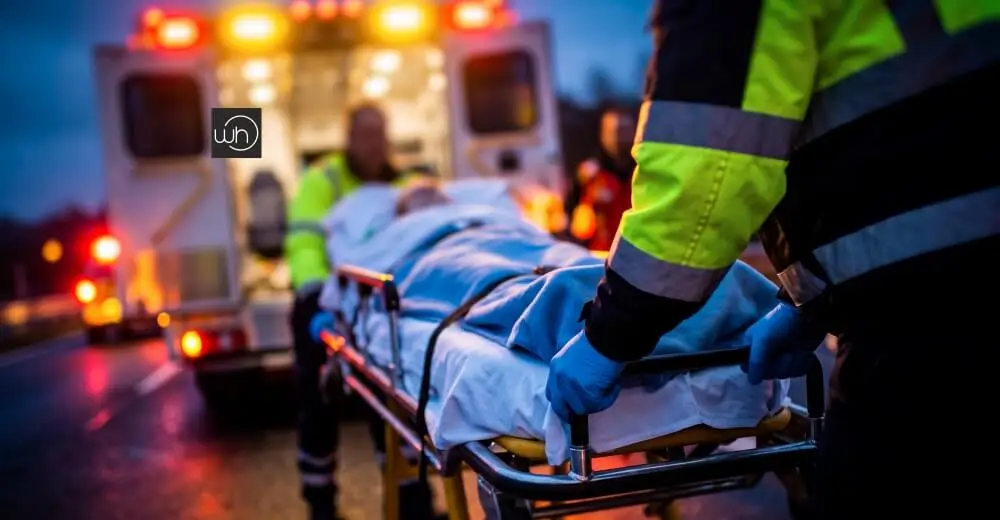
In an emergency, the first few hours often decide how things turn out. Quick action can mean treating an injury before it worsens, moving someone out of danger or restoring contact with worried family. Waiting for more information is natural, but it can also cost valuable time. Prepared teams know when to act on what they have.
International Crisis Assistance works best when it begins early. A single phone call to a trained response team can start medical help, arrange transport and contact local authorities at the same time. This saves people from making difficult choices in a country they do not know. Early support also reduces fear, because someone calm and experienced is now in charge.
Planning Before Trouble Starts
Good response depends on good preparation. Companies that send staff abroad should know where those people are, what risks exist in each place and who to call if something goes wrong. A short, clear plan that everyone understands is far more useful than a long document nobody reads. Regular practice helps people stay steady under pressure.
Personal preparation matters too. Travelers should carry copies of passports, insurance details and emergency contacts, and they should share their plans with family. Simple steps like these make it much easier for responders to help. Preparation will not prevent every problem, but it shortens the time between trouble and support.
Coordination Across Borders
Crises rarely fit inside one country’s systems. A single incident can involve embassies, hospitals, airlines, insurers and employers, each with its own rules and contacts. Without coordination, people may wait while each party waits for the other. Clear roles and a single point of contact keep things moving.
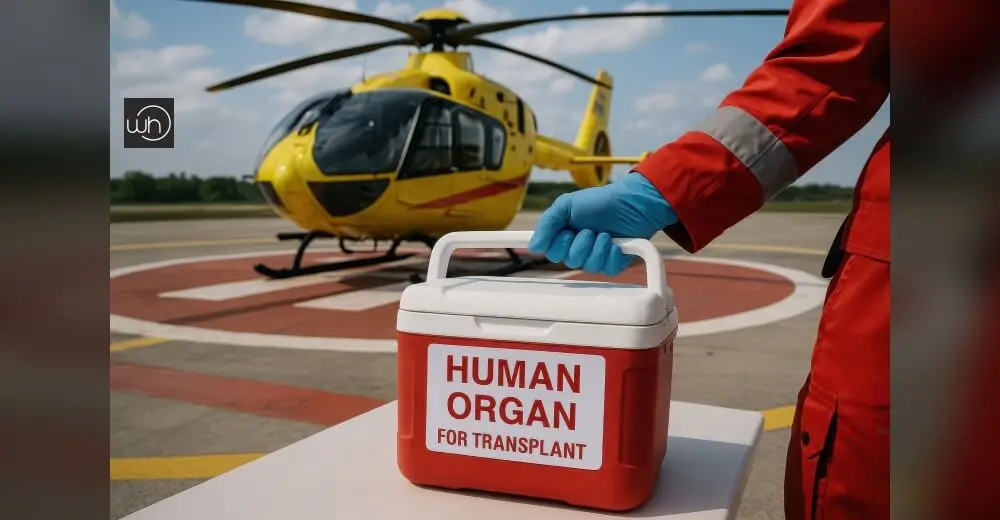
International Crisis Assistance often acts as that central link. A coordinator can speak with local officials, arrange medical care, organize evacuation and keep the family informed. Local partners bring knowledge of language, roads and customs, which can be hard to learn in a hurry. When everyone works from the same facts, decisions are faster and mistakes are fewer.
Caring For People Beyond Logistics
Moving someone safely is only part of the task. People in a crisis may be frightened, injured or far from the support they trust. The gentle tone of voice, keeping them informed, and respecting their choices could be just as important as transportation and documentation. Small gestures make them feel less isolated.
It is also necessary to pay attention to their families. They usually have to wait for any information with uncertainty and fear. Frequent updates will make them feel involved in everything that happens. International Crisis Assistance becomes more effective if it takes into account both the patient and his/her family. Follow-up services after the crisis are also an example of true commitment.
Conclusion: Ready When It Matters
Timely help can change the outcome of an emergency. Fast action, careful planning, steady coordination and genuine care all play a part, and each one supports the others. Organizations that think about these things in advance are far better placed to protect their people.
Businesses, institutions and families that value International Crisis Assistance give themselves a safety net they hope never to use. Building it takes time, clear thinking and honest conversation. Yet when a crisis does arrive, that preparation brings calm, speed and a much better chance of a safe outcome.