Hospitals and clinics nationwide keep changing the way they manage records, coordinate care, and safeguard sensitive data. Few forces touch daily operations as directly as healthcare information technology, which now shapes everything from diagnosis to the online scheduling of a routine visit. Connected systems keep expanding, and so do the tools built to support them.
Administrators and IT teams often return to the basics before rolling out anything new. So what is healthcare information technology, exactly? At its core, it’s the mix of software, hardware, and digital processes that hospitals, clinics, and insurers rely on to store, share, and analyze health data. That foundation quietly shapes nearly every decision made inside a modern medical facility, from how a front desk books appointments to how a billing department processes claims.
The Shift to Digital Health Records
Paper charts gave way to electronic health records years ago, though the move toward smarter, more integrated platforms hasn’t slowed. Providers can now pull a patient’s full history within seconds, one of the clearest gains this shift has delivered, cutting down on repeat testing and reducing the errors that come from missing information. Cloud based storage has made this faster and considerably more secure than the siloed systems it replaced.
Patients notice the difference too. Digital portals let people check lab results, request refills, and message their care team without sitting on hold. That shift has changed how people engage with their own health information day to day, and it has pushed many facilities to redesign patient facing tools around convenience rather than convention.
Connecting Healthcare Systems for Better Care
Hospitals rarely operate alone. A single patient might see a primary care doctor, a specialist, and an emergency room in the same month, and every one of those visits generates data that has to move cleanly between systems. Strip away the ability to connect platforms, and what is healthcare information technology really worth? Not much, according to administrators who’ve spent years untangling fragmented records.
Standardized data formats now let separate systems communicate, cutting duplicate paperwork and speeding up referrals. Insurers, labs, and pharmacies increasingly depend on this shared infrastructure to confirm coverage, deliver results, and fill prescriptions without unnecessary delay.
Federal guidelines have pushed many providers toward common standards over the past decade, though smaller practices still lag behind larger networks with bigger budgets. Vendors that once built closed systems now face pressure to open them, since hospitals increasingly reject contracts that lock patient data to a single provider. This shift toward openness has become one of the more visible signs of how much the industry has matured over a relatively short stretch of time.
Predictive Tools Enter Clinical Workflows
Data driven software now helps radiologists read scans more efficiently, flags early signs of sepsis on hospital wards, and supports staff scheduling based on projected patient volume. These tools sit squarely within this space, and their use has expanded well past pilot programs at large teaching hospitals.
Smaller clinics have started adopting similar tools, usually at a slower pace because of cost and training demands. Paired with predictive analytics, what is healthcare information technology able to deliver? Earlier detection of patient risk factors, more accurate staffing models, and fewer missed diagnoses are among the results hospitals report. Some networks have also started using these tools to forecast supply needs, which has helped reduce shortages during periods of high demand.
Cybersecurity Remains a Growing Concern
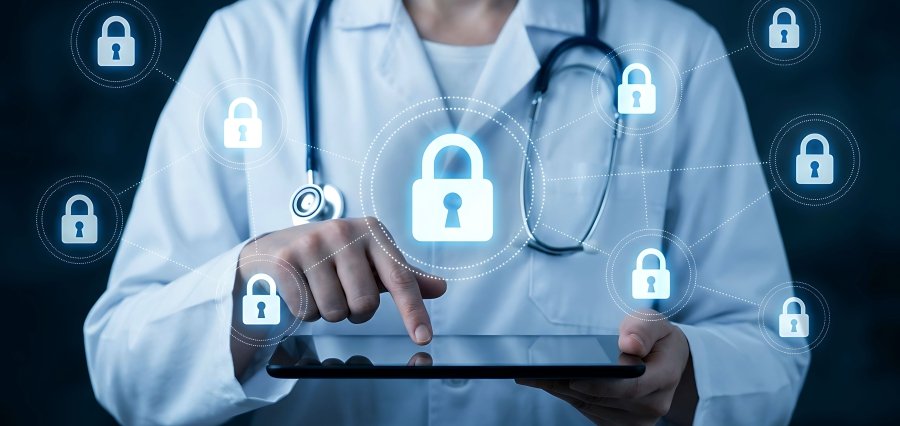
As more systems connect, the risk of a breach grows right along with them. Health records carry a mix of personal, financial, and medical details that make them attractive targets for hackers. Guarding that data has become one of the most pressing responsibilities for IT departments nationwide.
Ransomware attacks on hospitals have disrupted care in several documented cases, delaying surgeries and pushing staff back to paper records temporarily. IT teams now invest heavily in encryption, multi factor authentication, and staff training to reduce these risks, treating cybersecurity as routine operational work rather than an afterthought.
Regulators have tightened breach reporting rules in recent years, requiring hospitals to disclose incidents faster than before. Smaller clinics without dedicated security staff often turn to outside vendors for monitoring, since a single breach can cost far more than the price of ongoing protection. That cost calculation alone has convinced many smaller practices to treat security spending as essential rather than optional.
Telehealth Continues to Expand Access
Virtual visits gained acceptance faster than most people predicted, and many patients now prefer them for routine checkups or follow ups. Video platforms, remote monitoring devices, and digital intake forms, all part of this same toolkit, have cut down on time spent in waiting rooms.
Rural communities have seen some of the biggest gains, since patients no longer need to travel long distances for basic consultations. In closing those gaps, what is healthcare information technology accomplishing? Connecting patients to specialists they might otherwise never reach, according to several state health departments tracking telehealth use. Some programs have also started pairing virtual visits with community health workers who help patients navigate follow up care.
The Future of Digital Healthcare
Wearable devices, remote patient monitoring, and predictive scheduling tools are pushing this field into territory that felt experimental only a few years ago. Hospitals are testing sensors that track vital signs from home, sending alerts to care teams before a condition worsens.
Budget constraints and staff training still slow adoption in many facilities, particularly smaller ones without dedicated IT departments. Looking five years out, what is healthcare information technology likely to look like? Most experts point toward greater automation, tighter data security standards, and closer coordination between hospitals, insurers, and public health agencies.
Conclusion
Healthcare information technology keeps changing how care gets delivered, tracked, and paid for in this country. Electronic records were just the start. Diagnostic tools have gotten sharper too, and together they’ve worked their way into nearly every part of the patient experience. Hospitals that spend money on secure, connected systems tend to make fewer mistakes and respond quicker when it counts. The ones still running on outdated setups? They’re the ones falling behind on what patients now expect as a baseline. New tools aren’t slowing down either. They keep showing up in clinical settings, and this space is only going to matter more in the years ahead. The facilities that get ahead of that curve now are the ones likely to benefit the most later.