Prime Highlight
- UCSF researchers developed a new method combining AI and genetic biomarkersto diagnose pneumonia in critically ill patients.
- The system can identify infections faster and more accurately than current clinical practices, potentially reducing inappropriate antibiotic use.
Key Facts
- In a study of 157 patients, the AI-biomarker model diagnosed pneumonia with 96% accuracy, outperforming either method alone.
- The biomarker is linked to the FABP4 gene, whose lower activity signals lung infection, while AI analyzes medical records and radiology reports.
Background
Researchers at the University of California, San Francisco, have developed a new way to diagnose deadly lung infections by using genetic markers and artificial intelligence. The team said the method can spot pneumonia in critically ill patients faster and more accurately than current clinical practice.
In an observational study, the model correctly diagnosed pneumonia 96% of the time. It also distinguished between infectious and non-infectious causes of respiratory failure better than doctors working in intensive care units. The researchers estimate that the tool could have reduced inappropriate antibiotic use by over 80% if it had been available at the time of admission.
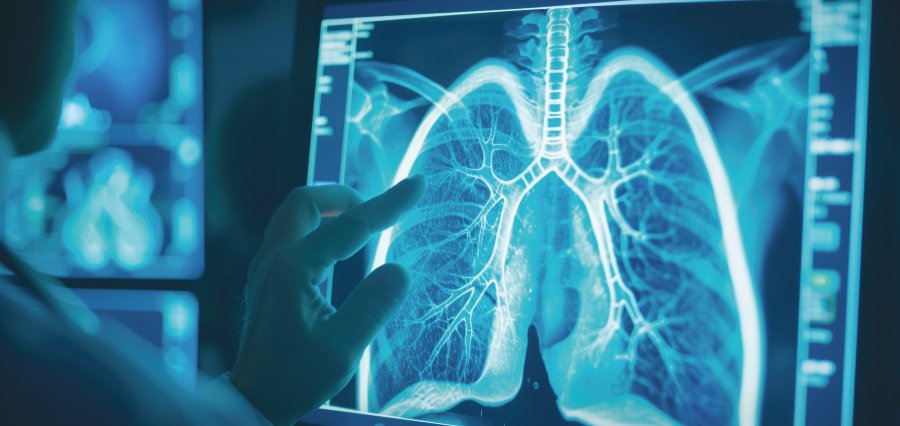
The system combines two techniques. First, a generative AI tool reviews medical records such as clinical notes and radiology reports. Second, it checks for a biomarker in lung fluid samples. This biomarker is linked to a gene called FABP4, which normally reduces inflammation. The gene shows lower activity in infected lungs, making it a useful signal for pneumonia.
The study included data from 157 critically ill patients. Of these, 98 were enrolled before the COVID-19 pandemic and mostly had bacterial infections. Another 59 were enrolled during the pandemic and mainly had viral infections, including COVID-19.
When used alone, both the AI tool and the biomarker delivered about 80% accuracy. But when combined, they performed far better than either method on its own. Doctors treating these patients had prescribed antibiotics in most cases, while the new model assigned the diagnosis more carefully.
The researchers also compared how the AI read medical records with how three expert physicians did. Both achieved similar accuracy, but the AI relied more on X-ray reports, while doctors focused on written notes.
The team published the AI prompts used in the study and encouraged hospitals to test the method on secure platforms. They are now validating it for clinical use and plan to apply the same approach to sepsis, a leading cause of hospital deaths.