Prime Highlights:
- Scientists have identified two new biological subtypes of MS, offering a clearer understanding of the disease.
- The discovery could lead to personalised treatments, improving care and outcomes for patients worldwide.
Key Facts:
- The study involved 600 patients and examined a protein called serum neurofilament light chain (sNfL), which shows nerve damage and disease activity.
- Patients with early sNfL may need stronger treatments and closer monitoring, while those with late sNfL could receive therapies to protect brain cells.
Background:
Scientists have discovered two new biological subtypes of multiple sclerosis (MS), a breakthrough that could lead to more personalised treatments for patients around the world.
MS affects millions globally, but treatments have usually been based on symptoms rather than the underlying biology, which can make them less effective. Researchers at University College London (UCL) and Queen Square Analytics studied blood tests and MRI scans to find two different types of MS. This helps doctors better understand how the disease develops.
The study of 600 patients examined a protein, sNfL, that indicates nerve damage and disease activity.
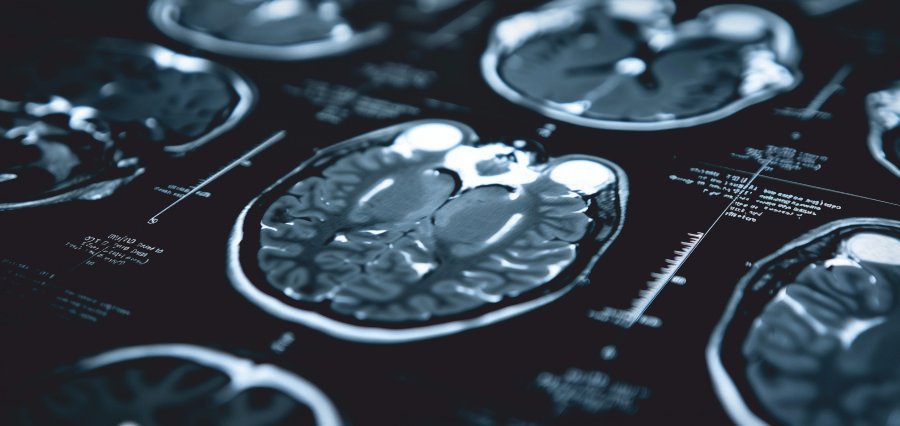
Researchers combined sNfL measurements with brain scans using a machine learning model called SuStaIn. The analysis revealed two separate patterns: early sNfL and late sNfL.
Patients with the early sNfL subtype showed high sNfL levels at the start of the disease and rapid development of brain lesions, particularly in the corpus callosum. This subtype appears more aggressive and fast-progressing. In contrast, the late sNfL subtype is slower, with initial brain shrinkage in areas like the limbic cortex and deep grey matter, followed by later increases in sNfL.
Lead author Dr Arman Eshaghi from UCL explained, “MS is not one disease. Current classifications do not fully capture the tissue changes needed to guide treatment.
Patients with early sNfL may need stronger treatments and closer follow-up, while those with late sNfL could get therapies that protect their brain cells.
Caitlin Astbury, senior research communications manager at the MS Society, called the discovery “an exciting development in understanding MS.” She said that using biological categories instead of just symptoms could help improve treatments and patient outcomes.
This breakthrough brings hope for better MS treatments and improved patient care.