Digital Health Revolution
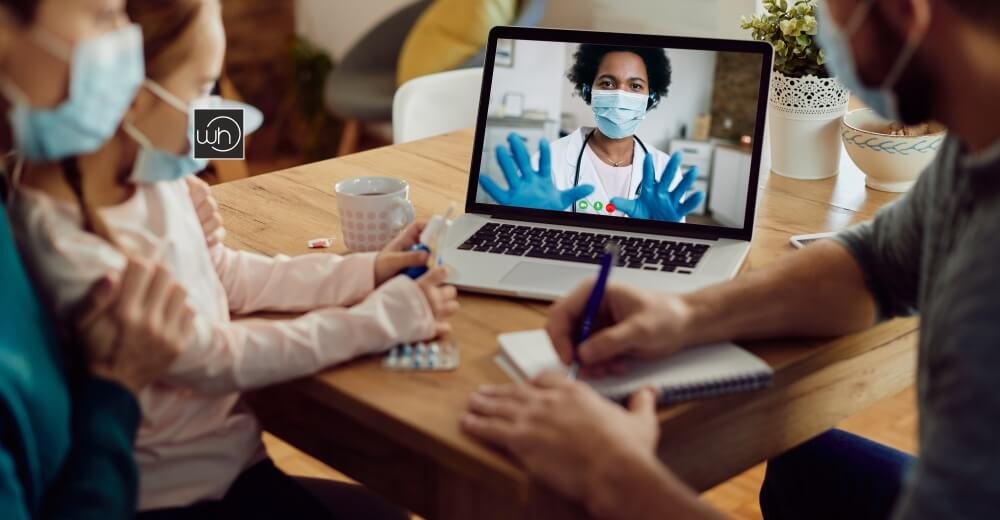
Healthcare is no longer limited to hospital buildings or clinic waiting rooms. Around the world, providers and policymakers are leading a strong telehealth transformation that is changing how care is delivered and experienced. Remote consultations, continuous monitoring, and digital records are reshaping global health systems. What started as a solution to distance and limited infrastructure has now become a key part of modern medicine.
This article explains how telehealth transformation is changing global health systems by improving access to care, patient outcomes, efficiency, and healthcare policies worldwide.
From Necessity to Everyday Practice
Healthcare systems first adopted telehealth to solve practical problems. People in rural and underserved areas often struggle to see specialists. Those with limited mobility faced similar challenges. Early telecommunication tools helped, but adoption was slow.
During global crises, health systems had to act quickly. Providers shifted appointments online, used remote diagnostic tools, and introduced mobile health apps. In a short time, organizations made changes that might otherwise have taken years. This rapid shift accelerated the telehealth transformation across both public and private sectors.
Expanding Access and Equity
One of the biggest benefits of telehealth transformation is improved access to care. Patients are no longer prevented by distance, cost of traveling, and shortages of specialists from getting timely treatment. Elderly patients and those with chronic illnesses can receive care more safely and conveniently.
Digital tools also improve patient engagement. Flexible scheduling, appointment reminders, and home monitoring devices help patients stay connected with their care teams. As a result, patients attend more appointments and follow treatment plans more closely.
Although adoption differs by region, many governments are building digital networks that connect patients and providers more effectively. Updated policies now support secure video consultations and fair reimbursement systems. These steps ensure that virtual care remains a lasting part of healthcare delivery.
Improving Patient Outcomes
Healthcare providers are seeing real improvements in patient outcomes. Remote monitoring devices continuously monitor vital signs, enabling physicians to identify early warning signs of such illnesses as heart disease and diabetes. Instead of waiting for problems to worsen, care teams can act sooner.
Virtual consultations now support many specialties, including mental health and rehabilitation services. Providers can adjust treatment plans quickly and maintain regular follow-ups. Telehealth transformation makes care more personal, relying on wearable information and digital platforms to inform decisions.
Improving Efficiency and Reducing Costs
Health systems face constant pressure to deliver quality care with limited resources. Many leaders use telehealth transformation to improve efficiency. By taking appointments online, providers save physical space and open up clinics to urgent cases.
Virtual triage systems help prioritize patients, while digital records simplify documentation and coordination. Flexible virtual appointments reduce missed visits and lower travel expenses for patients. These improvements strengthen financial stability without lowering standards of care.
Digital platforms also encourage collaboration. Clinicians can consult colleagues in other regions and share expertise more easily. Regulatory updates in many countries have supported the growth of secure and scalable digital systems.
Addressing Ongoing Challenges
Even with progress, some challenges remain. Many people still cannot access digital healthcare because they lack good internet, proper devices, or the skills to use them. Economic differences also affect how people use and benefit from virtual care.
Healthcare organizations also need to keep patient data safe. Strong security, clear privacy rules, and honest communication are important to build trust. Different rules in different countries can make digital healthcare harder to manage.
Healthcare workers are adapting to new ways of working. They are being trained on how to conduct online consultations, but at the same time, maintain healthy relationships with their patients. Using both in-person and online visits helps balance convenience and personal care.
Technology Supporting Change
Modern technology drives this shift. Wearable devices and biosensors collect health data in real time. Secure mobile networks allow information to move quickly between patients and providers. Easy-to-use apps make digital care accessible to people of different ages and backgrounds.
The healthcare systems are integrating digital tools into the electronic health records to facilitate seamless coordination. With the growing affordability of technology, additional communities will be able to join in the telehealth revolution and bring healthcare services closer to the people.
Conclusion
Healthcare leaders are building a future where home monitoring, early detection, and connected systems become normal practice. Digital networks will support faster responses to public health emergencies and improve collaboration worldwide.
Telehealth is not just a technology trend. It is making healthcare more accessible, efficient, and focused on patients. With proper planning and investment, quality care can reach people anywhere.
Healthcare is entering a new phase, with better connections, more flexibility, and a strong focus on providing care beyond traditional limits.