Prime Highlights:
- A new finger-prick blood test can identify children at risk of type 1 diabetes before symptoms appear, giving families time to prepare.
- Early detection allows access to treatments that may delay the onset of diabetes and prevent serious complications.
Key Facts:
- The ELSA study screened over 17,000 children, finding some with early-stage diabetes and a few with previously undiagnosed type 1 diabetes requiring immediate treatment.
- The finger-prick test detects autoantibodies, which signal the immune system attacking the pancreas, long before blood sugar becomes dangerously high.
Background:
A simple finger-prick blood test could soon help identify type 1 diabetes in children years before symptoms appear, potentially preventing life-threatening complications, according to researchers involved in a major UK study.
The screening approach has been tested through the Early Surveillance for Autoimmune Diabetes (ELSA) programme, which has already screened more than 17,000 children aged between three and 13. Researchers say early detection could drastically reduce cases of diabetic ketoacidosis, a dangerous condition that often leads to emergency hospital admissions when diabetes is diagnosed late.
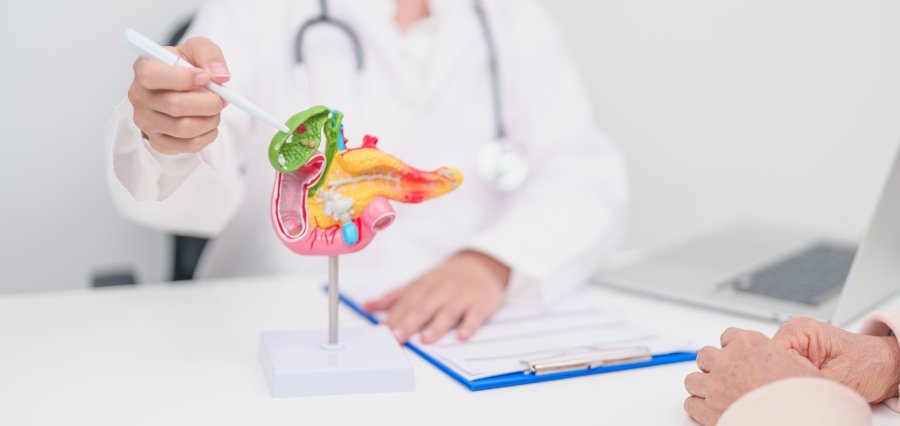
Type 1 diabetes happens when the immune system mistakenly attacks the insulin-producing cells in the pancreas. A simple finger-prick test can detect autoantibodies, which show this immune response long before blood sugar levels become dangerously high.
Early results from the ELSA study show that most children were not at risk of diabetes. But some had signs of early-stage diabetes, and a few were found to have type 1 diabetes that needed treatment right away.
One of the children identified through the programme is 12-year-old Imogen from the West Midlands. Her early diagnosis allowed doctors to begin monitoring her condition and introduce preventive care. She is now receiving an immunotherapy drug, teplizumab, which has been shown in trials to delay the onset of type 1 diabetes by an average of three years. The drug is not yet widely available through the NHS.
Health experts say early screening offers families valuable time to prepare, monitor symptoms, and potentially access treatments that slow disease progression. Diabetes charities backing the study believe routine screening could transform how type 1 diabetes is managed in children.
The next phase, ELSA 2, will extend testing to children aged two to 17, with options for testing at home, in schools, or at GP surgeries.
Several countries, including Italy, have already introduced nationwide screening for type 1 diabetes in children. Any decision to adopt a similar programme in the UK would rest with government ministers, guided by the National Screening Committee and ongoing research outcomes.