Prime Highlight
- Stanford researchers developed SleepFM, an AI that predicts over 100 health conditions from one night of sleep data.
- Dried blood tests from a finger prick may detect Alzheimer’s diseasewith up to 86% accuracy.
Key Facts
- SleepFM was trained on 585,000 hours of polysomnography data from 65,000 peopleand predicted 130 conditions, including heart disease, stroke, and dementia.
- Alzheimer’s finger-prick tests were validated on 337 volunteers, showing results comparable to standard blood and spinal fluid tests.
Background
Artificial intelligence may soon help doctors spot serious health risks from just one night of sleep lab data, according to new research. Scientists created an AI model called SleepFM that studies brain and body signals during sleep to predict the risk of over 100 health conditions.
The model was trained on around 585,000 hours of sleep data collected from 65,000 people using polysomnography, a standard overnight sleep test. Polysomnography records brain activity, heart rhythm, breathing patterns, eye movement, and body motion. Researchers described this data as a rich but underused source of information about long-term health.
Led by Dr. Emmanuel Mignot of Stanford Medicine, the research team first tested SleepFM on common sleep tasks such as identifying sleep stages and assessing sleep apnea. The model performed as well as, or better than, existing tools.
The team then linked sleep data from 35,000 patients treated at Stanford Sleep Medicine Center between 1999 and 2024 with their long-term medical records. Out of more than 1,000 disease categories studied, the AI model accurately predicted 130 conditions. These included heart attack, heart failure, stroke, chronic kidney disease, atrial fibrillation, dementia, and overall mortality risk. For some cancers, pregnancy-related issues, mental disorders, and circulatory diseases, prediction accuracy exceeded 80%. The findings were published in Nature Medicine.
Researchers said they are still working to understand which sleep signals the AI uses to make predictions and plan to improve the model by adding data from wearable devices.
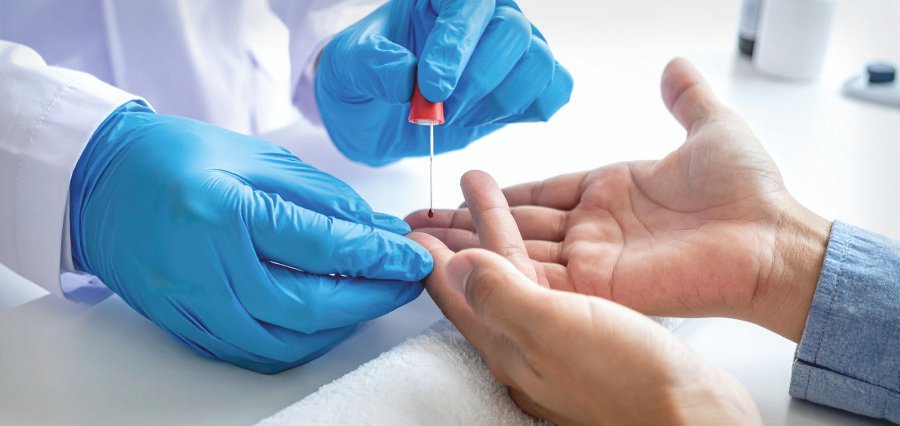
In a separate study, scientists reported that dried blood samples collected through a simple finger prick may help detect Alzheimer’s disease. In tests involving 337 volunteers, key Alzheimer’s biomarkers measured from dried blood closely matched standard blood and spinal fluid tests, with up to 86% accuracy. Participants collected the samples themselves, showing that the method could enable large-scale and remote testing in the future.